
Private trip
A journey tailored to your dates, your pace, and your group’s needs.
Contact Us ↗Thailand
Hikes, Karen villages and Doi Inthanon: an active and cultural journey in Northern Thailand.
See the ItineraryBangkok→Chiang Mai — airport
Bangkok
Meet and greet at the airport, transfer to the hotel and free time to recover from your journey or explore the area.
On arrival at Bangkok International Airport, we’ll be welcomed by our team and transferred to our hotel. Rooms available from 14:00. Rest of the day at leisure.
Depending on our arrival time, we can set out to explore the neighborhood, sample our first tastes of Thai cuisine, stroll through bustling streets, or simply relax at the hotel.
Wat Pho — Wat Arun — Thonburi canals
The temples of Wat Pho and Wat Arun introduce Bangkok’s religious heritage. A cruise along the klongs then reveals a more intimate side of the capital.
Accompanied by your guide, you’ll make your way to the piers and board a public water bus. Along the river, you’ll travel up to the historic center, on the right bank, as far as Pak Khlong Talat Flower Market. Wander the fragrant aisles for your first taste of authentic, traditional Asia.
We set out to discover Bangkok’s architectural treasures. Marvel at the splendor of the Grand Palace, built in 1782: a sumptuous complex of buildings and courtyards, including Wat Phra Kaew (the Temple of the Emerald Buddha). Here, we discover the celebrated Emerald Buddha, a precious 14th-century statue at the heart of one of the country’s most venerated shrines.
Then, on foot, we head to Wat Pho, one of Bangkok’s oldest temples, famed for its peaceful atmosphere and elegant pavilions. Here we discover the impressive Reclining Buddha, the iconic figure of the temple, as well as peaceful courtyards dotted with stupas and refined decorative details.
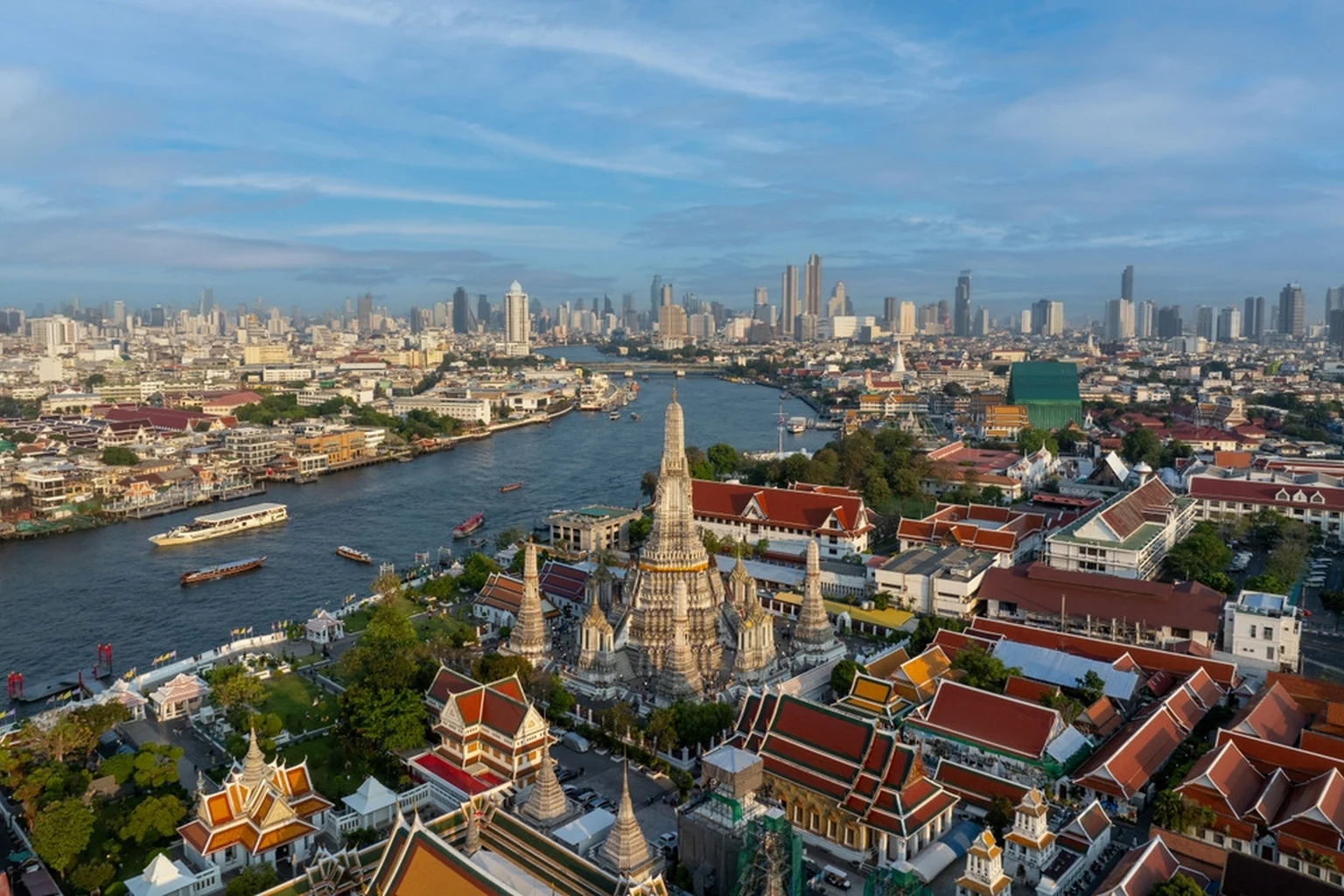
Next, we cross the river in a small boat to reach Wat Arun, the famous 'Temple of Dawn', on the right bank. On arrival, we’ll admire its spectacular central prang, beautifully decorated with porcelain mosaics and floral motifs that glisten in the light.
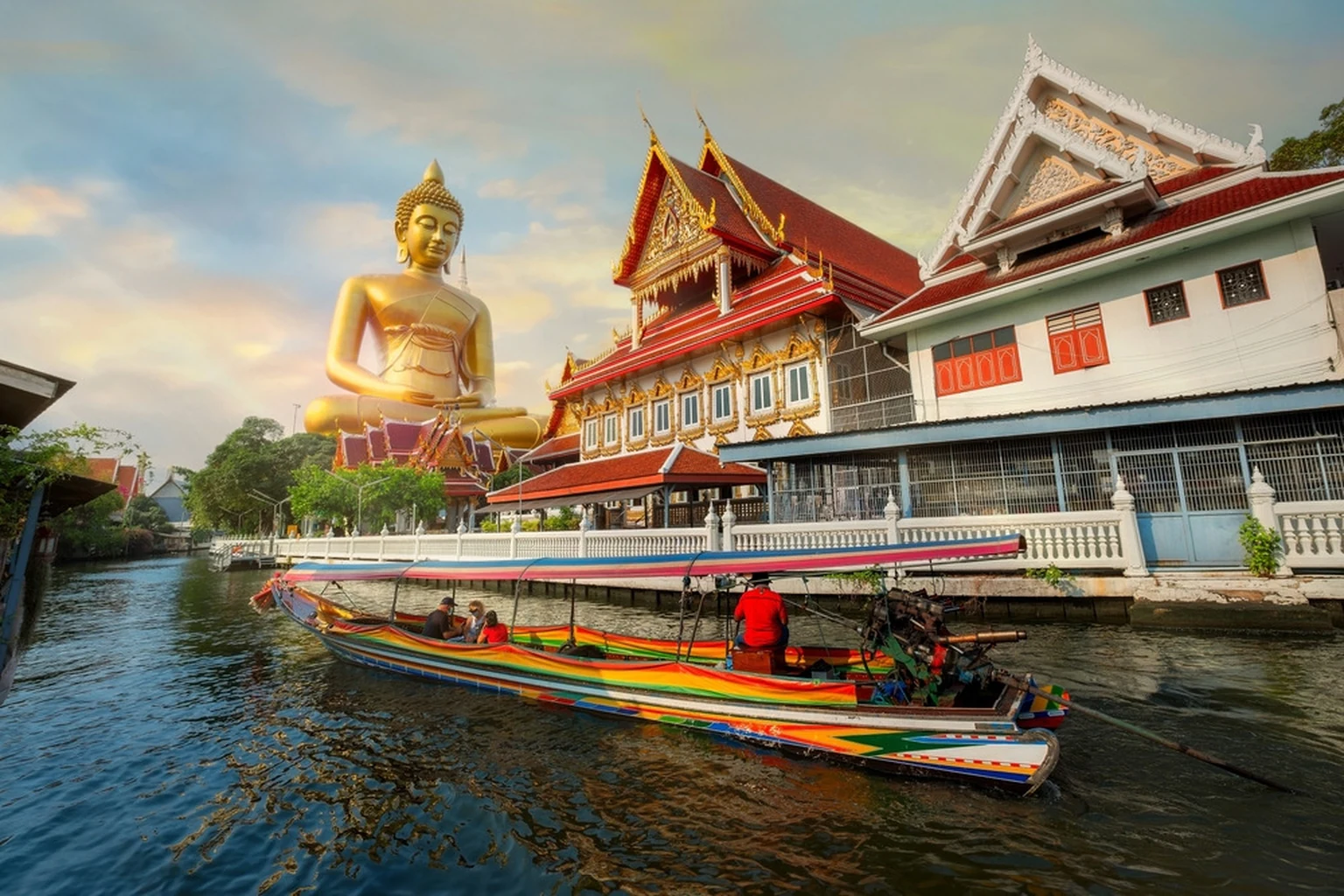
Private cruise aboard a traditional longtail taxi boat on the Chao Phraya River, one of Thailand’s major waterways and Bangkok’s vital lifeline. As we travel, we discover the 'Venice of the East', with tranquil khlongs, stilted houses, and hidden temples lining the banks.
Chiang Rai
Flight to Chiang Rai then discovery of the White Temple, the Blue Temple and Wat Huay Pla Kang, three distinct expressions of contemporary Buddhist art.
Your driver takes you to the airport for your domestic flight.
Journey: Bangkok → Chiang Rai (1h30, 800 km)
You board your flight to Chiang Rai, a peaceful province in northern Thailand famed for its misty mountains, lush valleys, and more secluded atmosphere. From unique temples and traditional villages to tea plantations, this region at the gateway to the Golden Triangle provides a more authentic, serene discovery of northern Thailand.
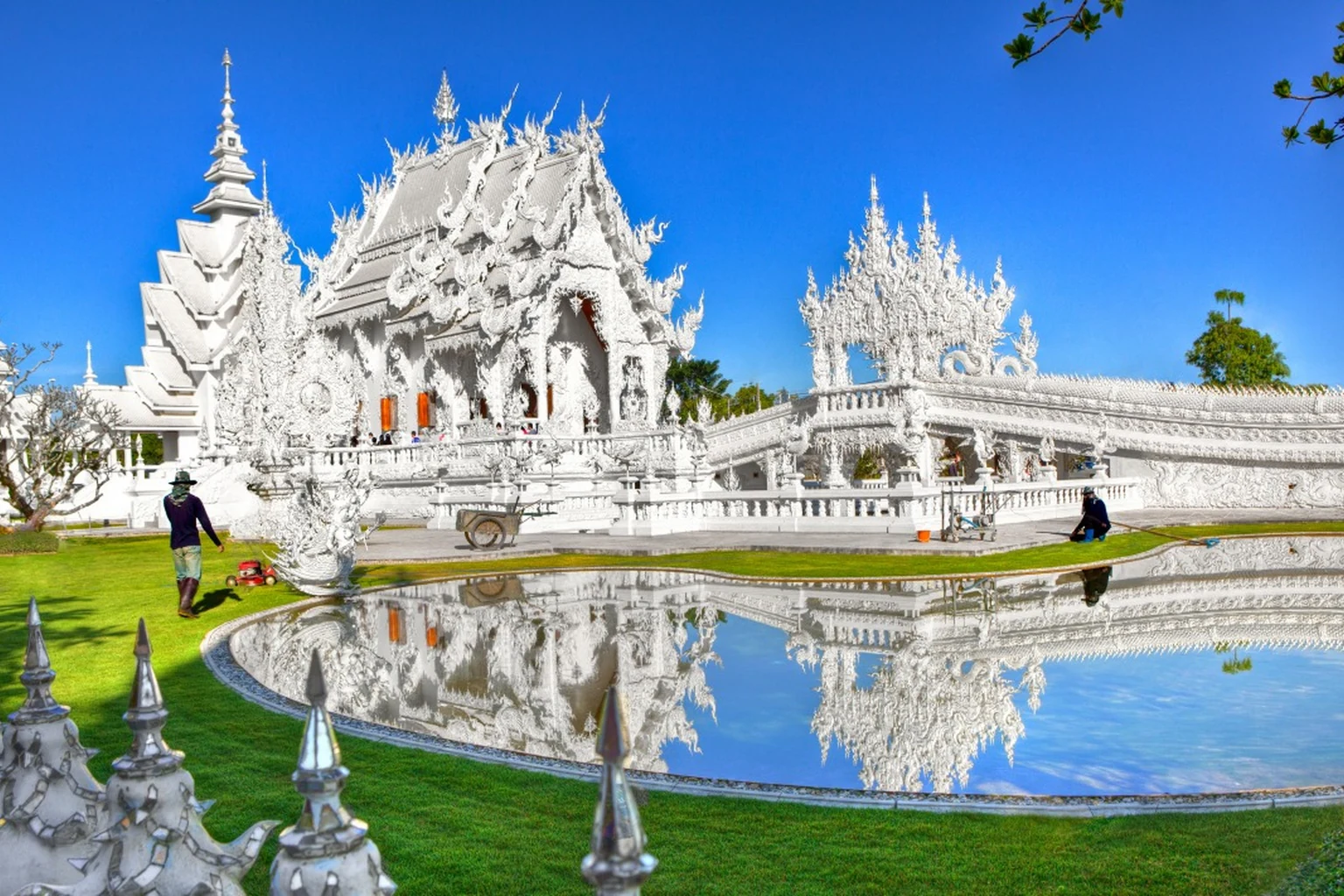
Our day in Chiang Rai begins with discovery of the extraordinary Wat Rong Khun, better known as the 'White Temple.' Created by Thai artist Chalermchai Kositpipat, this site blends Buddhist architecture with contemporary art through striking murals and a wealth of symbols inspired by Buddhism and pop culture. Its dazzling whiteness gives it an almost otherworldly feel.
We continue to Wat Rong Suea Ten, the famous 'Blue Temple,' designed by a disciple of Chalermchai. Its deep blue hues, naga sculptures, and immense Buddha create an atmosphere that is both mystical and modern.
We end our day at Wat Huay Pla Kang, known for its colossal white statue of Guanyin, the Goddess of Mercy. Its nine-story pagoda offers beautiful views over the surrounding countryside and rice fields.
Chiang Saen — Mekong — Golden Triangle
A boat ride on the Mekong at the junction of three countries, the Opium Museum, and mountain villages shed light on the history and diversity of the Golden Triangle.
Journey: Chiang Rai → Mekong Riverbanks (1h, 55 km)
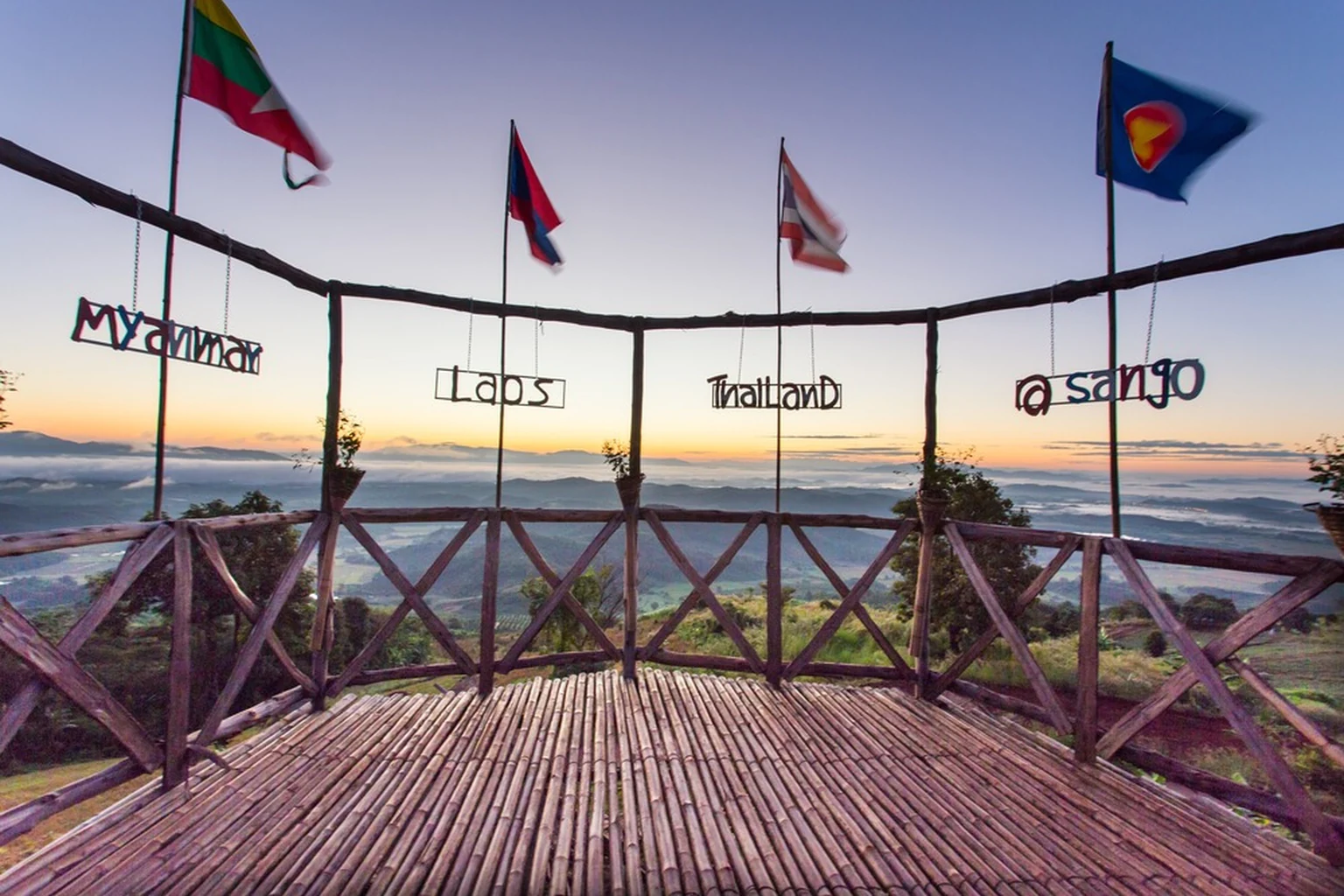
Early in the morning, we meet up with our accompanying team before taking the road toward the Golden Triangle and the banks of the Mekong River—at the heart of this legendary region where Thailand, Laos, and Myanmar meet.
From the small local port, we board a boat-taxi for an hour-long cruise on the Mekong, taking in lovely views of riverside villages and landscapes.
We then continue along the riverbank to a vantage point overlooking the Mekong and the impressive Sino-Roman style casino complex on the Lao side.
Visit the remarkable Hall of Opium, a modern museum built into the hillside overlooking the Mekong Valley. Through immersive and well-documented exhibits, the site retraces the history of the opium trade in Asia, the influence of the Golden Triangle, and the economic and social consequences linked to this crop. A fascinating visit that helps deepen your understanding of this border region's complex history.
On the way back, we stop in several small villages belonging to the Yao and Akha communities, settled in the mountains of northern Thailand.
If you wish, we can also stop in a Padaung community, a branch of the Karenni people originally from neighboring Myanmar, where some women wear the famous spiraled golden neck rings that appear to elongate the neck.
However, this visit is a very particular experience and sometimes raises questions among travelers. Some see it as intrusive tourism, while others believe these visits help generate vital income for refugee communities living in often modest conditions. We therefore prefer to leave everyone free to decide, in full awareness, whether or not to discover this village.
Mae Salong — Santikhiri
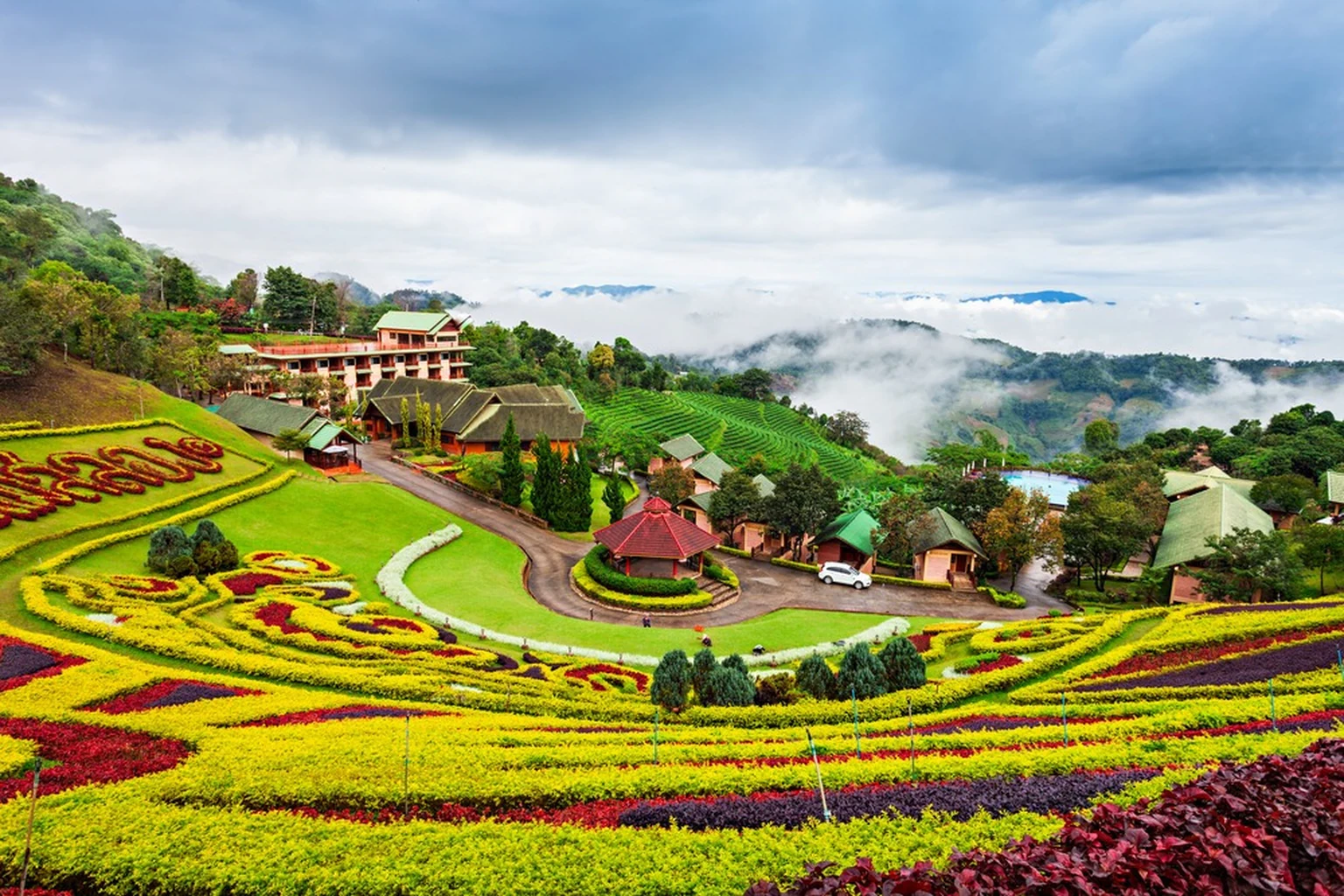
A mountain road leads to terraced tea plantations and the village of Santikhiri, founded by former Kuomintang Chinese refugees.
Journey: Chiang Rai → Mae Salong (1h15, 55 km)
Departure for Mae Salong, a scenic mountain road winding through green hills and tea plantations. This region of northern Thailand is known for villages founded by Kuomintang Chinese refugees who fled China after the civil war.
Visit to the 101 tea plantation, renowned for its terraced tea fields offering stunning views of the surrounding mountains.
We continue with a stroll through Santikhiri village to discover the unique history of these Chinese communities descended from the former Kuomintang army, settled here for generations.
From there, we set off on an initial hike of about an hour and a half along the Mae Salong Tea Trail. A true immersion in the surrounding nature, this path is renowned for birdwatching and its views over Mae Salong’s iconic tea plantations.
Journey: Mae Salong → Tha Ton (1h30, 60 km)
We continue our journey through the northern mountains to Tha Ton, a peaceful village near the Burmese border. Lined by the Kok River, this small, laid-back town charms visitors with its authentic vibe, hill tribe villages, and lush landscapes.
The route to Tha Ton is itself spectacular, winding through valleys, cultivated hillsides, plantations, and rice paddies that stretch to the horizon in the heart of northern Thailand’s mountains.
Tha Ton
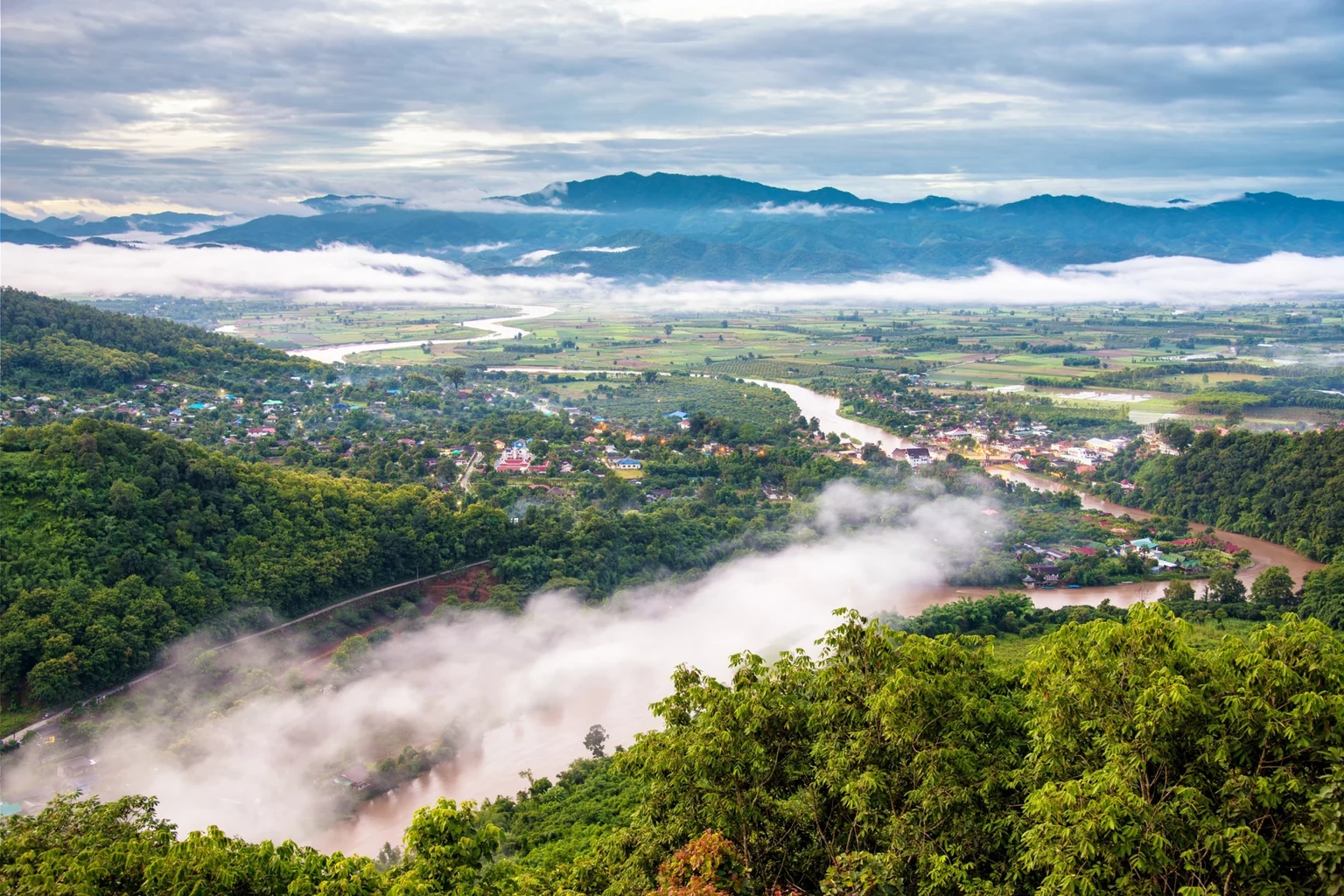
A hike through hills, farmland, and villages introduces the scenery around Tha Ton. Encounters and the exact route are tailored to the day’s conditions.
This morning we’ll make the most of our stay in Thaton with a hike led by our guide Renato, a member of the Karen tribe. We’ll venture off the beaten track to meet the mountain tribes in the jungle and rice paddies of the highlands. After visiting the village, we’ll cross the rice fields. Amid the paddies, we’ll discover small wooden pagodas where people live during the rice harvest, along with pumpkin patches, cotton fields, and more.
After a lunch break, we’ll cross the mountains and enjoy breathtaking scenery before reaching the Lahu village, marking the end of our hike. This activity involves roughly 5 hours of walking with breaks, accompanied by Renato and a French-speaking guide.
Tha Ton — Chiang Dao
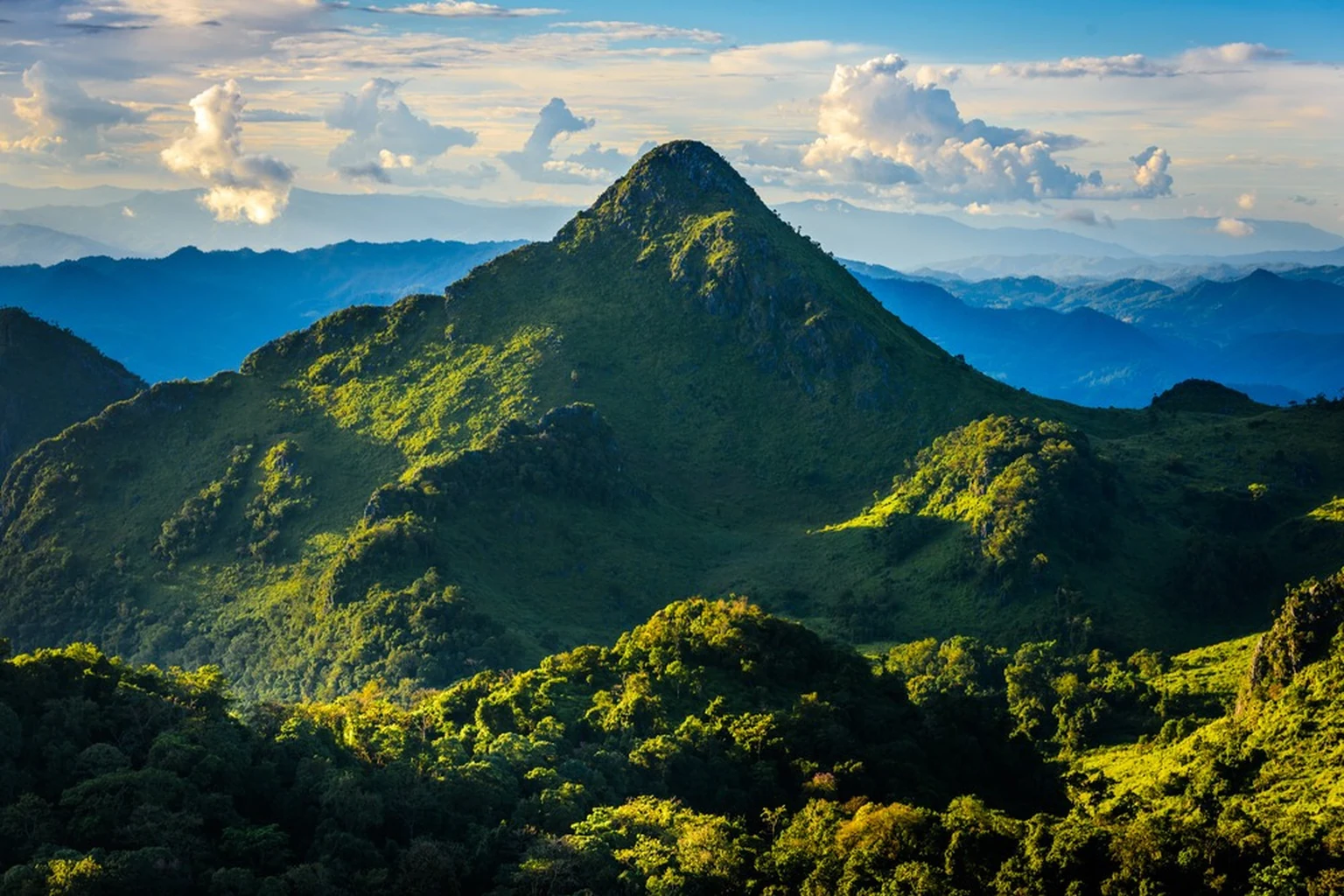
The road winds through the northern mountains towards Chiang Dao. Stops and walks offer opportunities to explore rural landscapes dominated by the dramatic limestone massif.
Day 7 Tha Ton • Guide Route: Thaton → Chiang Dao (2h10, 130 km)
This morning, we travel through valleys, rice fields, and small rural communities before reaching Chiang Dao.
This morning, we travel through valleys, rice fields, and small rural communities before reaching Chiang Dao, where we’ll set out for a 2-day trek. The trekking day begins in the village of Mae Mae inside Pha Daeng National Park. We start by walking along dirt trails through coffee and tea plantations.
Next, our hike continues through forests and mountains to reach the Pang Tad waterfalls. With a bit of luck, we may spot wild boar, monkeys, gibbons, snakes, and colorful birds.
We’ll then return to Mae Mae village to meet the locals. Tonight you'll stay with a host family in Mae Mae village, enjoying simple comforts in the heart of nature. The day is accompanied by a local guide and a French-speaking guide.
Chiang Dao Range
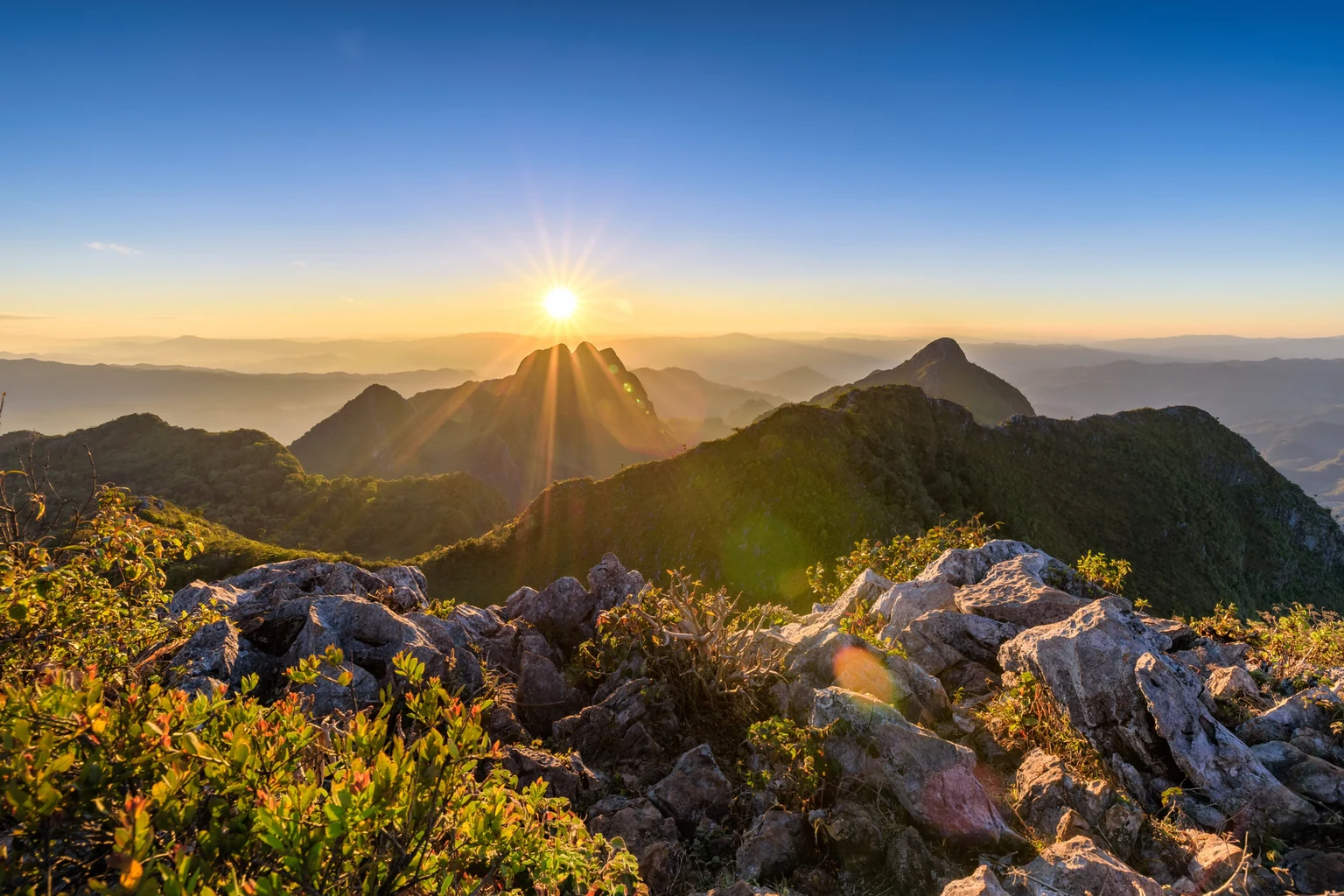
A day of trekking follows the trails of the Chiang Dao range, through forests, rugged terrain and villages. The pace is set to suit the group and the weather.
This morning, after a breakfast of local specialties, we head toward Doi Luang mountain to admire the surrounding landscape. We continue our hike to Sai Lod Bueng waterfall to cool off and enjoy some relaxation in nature. Finally, we return to Mae Mae village to bid farewell to our hosts before departing for Chiang Mai.
In the late afternoon, we head to Chiang Mai, the 'Rose of the North' and former capital of the Lanna Kingdom, known for its art of living, countless temples, gastronomy, warm smiles, and traditions. The day is led by a French-speaking guide. We'll settle in for 2 nights at the De Lanna Hotel in Deluxe rooms.
Route: Chiang Dao → Chiang Mai (1h30, 75 km)
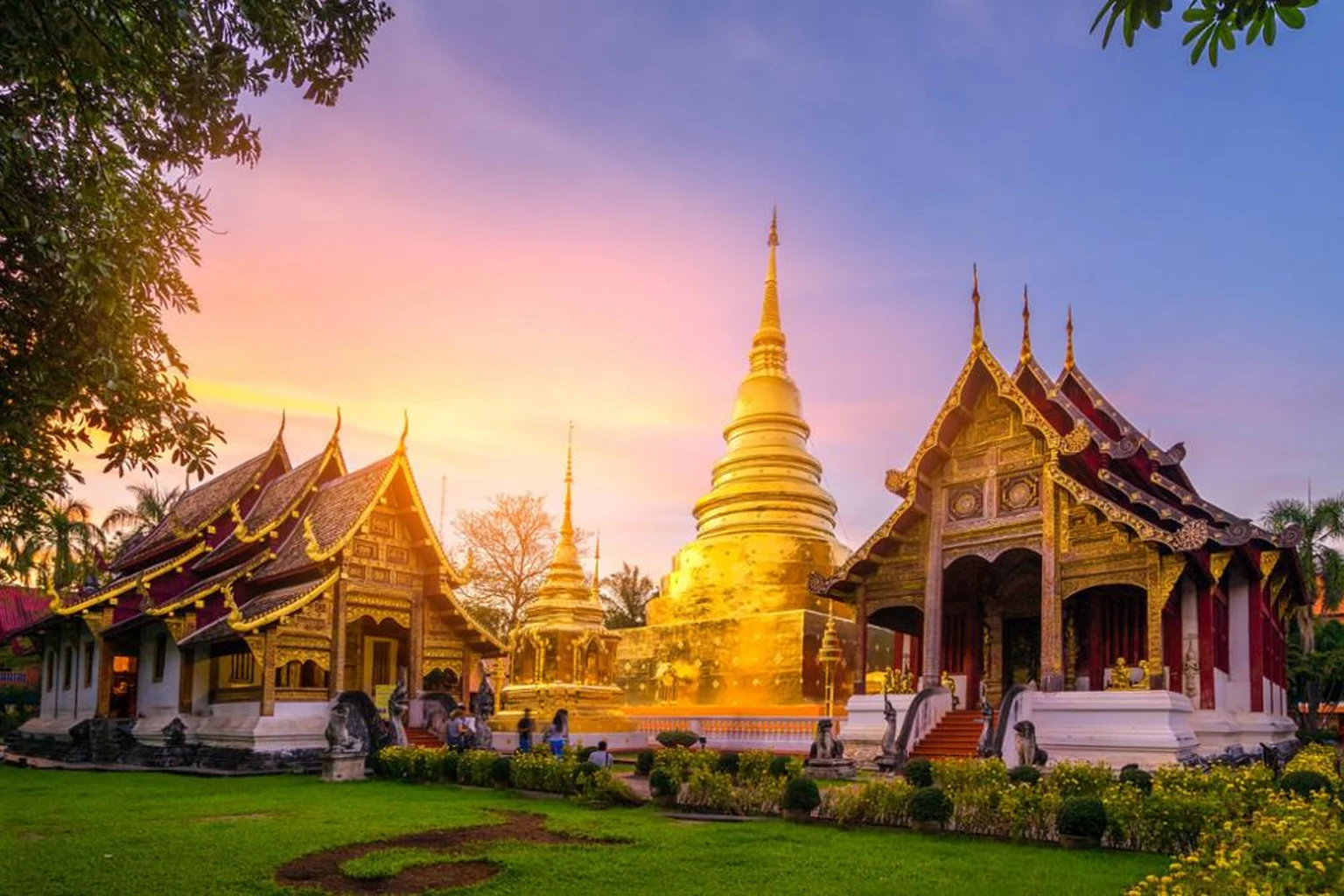
Chiang Mai
The temples and old quarters of Chiang Mai tell the story of the Lanna kingdom. Markets, handicrafts and a peaceful atmosphere complete this cultural stage.
With your guide, make a stop at the large Warorot Market, where you’ll find all kinds of northern Thai specialties—such as Sai Ua (northern sausage), Moo Yo (traditional Vietnamese pork sausage), Nam Phrik Num (northern green chili dip), and dried fruits, among other delights. In addition to local food, the market also offers clothing, ceramics, fabrics, embroidery tools, flowers, and much more.
Next, let’s head to Doi Suthep Temple, perched on the mountainside at about 1,200 meters altitude. A true symbol of Chiang Mai, this stunning Buddhist temple exudes serenity and spirituality, with statues, shrines, and bells inviting both worshippers and visitors to contemplate. Legend has it the site was chosen by a white elephant carrying a sacred Buddha relic: after climbing the mountain, the animal stopped at the summit, trumpeted three times, then lay down—indicating where the temple should be built. Today, its terraces offer spectacular views of the city and surrounding valley.
On the way, stop at Wat Pha Lat, a more discreet temple nestled in the forest, appreciated for its peaceful setting and almost secretive ambience, far from the hustle and bustle of the city.
Optional, with supplement: In the late afternoon, we visit a Thai boxing school for a private one-hour demonstration of the discipline. If you’d like to participate, just let us know!

Karen Villages North of Chiang Mai
A guided walk leads to Karen communities in the northern hills. The route focuses on genuine encounters, daily life insight, and respect for the locals.
Journey: Chiang Mai → Mae Wang (1h15, 60 km)
This morning, you leave Chiang Mai aboard a songthaew, the iconic local vehicle of the North. The journey takes you to the Mae Wang Valley, southwest of the city, passing through increasingly lush countryside: rolling hills, rice paddies and small villages mark the road. A first authentic step into rural Thailand, far from the urban bustle.
Upon arrival, you’ll start a guided hike along the Mae Wang trails. You first walk beside a mountain stream, then climb higher up and cross terraced rice fields that shape the region’s landscape. Enjoy a lunch break near a waterfall, with the option to cool off.
In the afternoon, the trek continues through crops and mountain paths. You’ll reach a Karen village for a short stop, then continue on to the rice fields where your guesthouse is located, finishing your day in a tranquil setting amidst local life.
Day accompanied by an English-speaking hiking guide. Total duration: about 5h30, including 3h30 of active walking.
Tonight we’re welcomed for dinner and an overnight stay with a Karen family, in a stunning setting on the edge of the jungle among the rice fields.
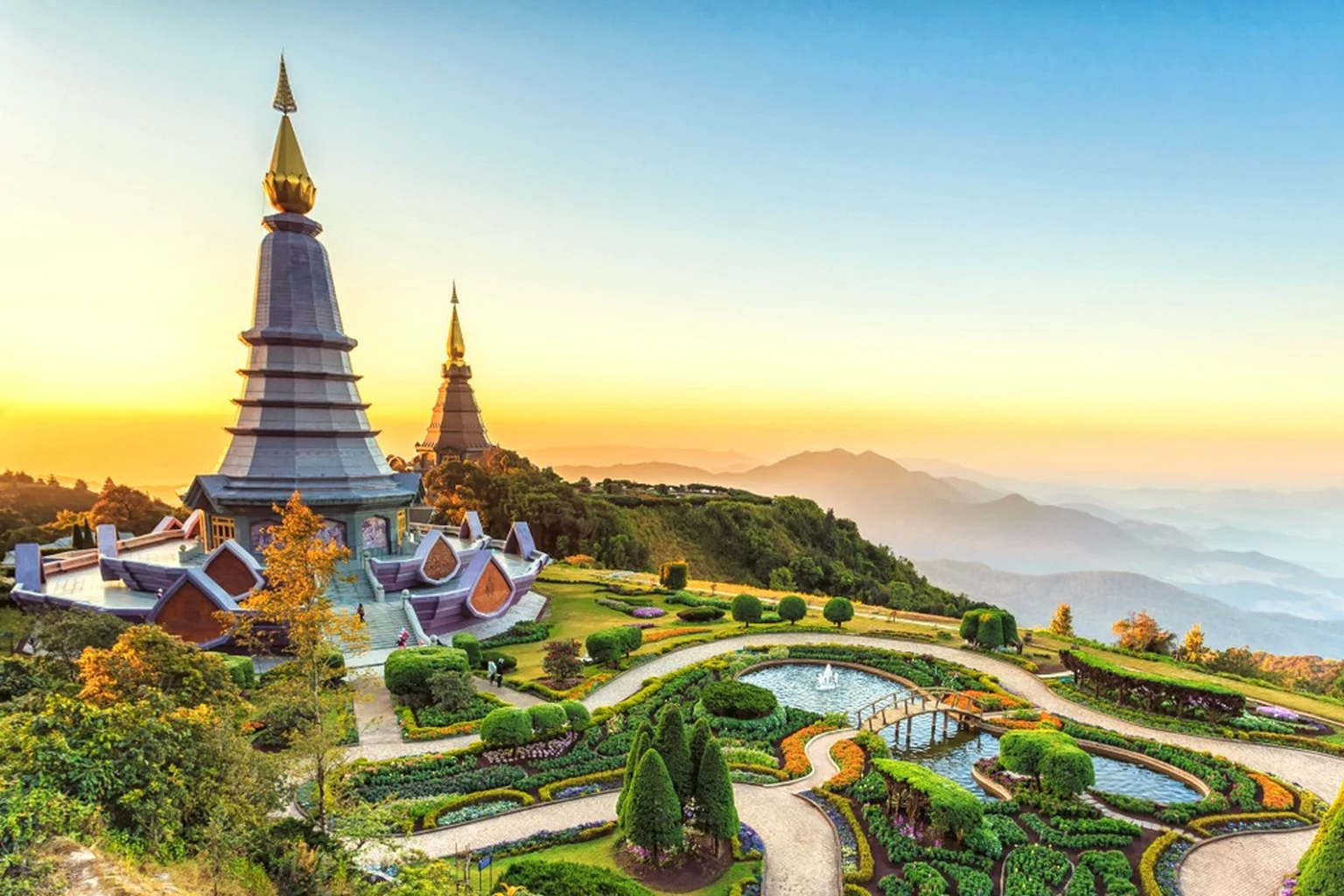
Doi Inthanon National Park
Today's journey explores the country's highest peak, its montane forests, waterfalls, and the royal pagodas overlooking the surrounding mountains.
Today, together with our guide, we head into the mountains above Chiang Mai in Doi Inthanon National Park. We’ll reach Thailand's highest point and start a 1.5-hour walk through the forest and along ridges offering magnificent views over the region on the Pha Dok Seaw trail. We’ll pass by waterfalls and discover the two immense pagodas that sit atop the mountain.
On our way back, we’ll stop for a short walk to the Sirithan and Wachirathan waterfalls. The day is accompanied by a French-speaking guide and driver. Return to Chiang Mai at the De Chai the Deco Chiang Mai hotel for your final night.
Chiang Mai — airport
Free time depending on your flight schedule, then transfer to Chiang Mai airport for departure.
Breakfast at the hotel. Free day and transfer to the airport at your chosen time.
See you soon in Thailand.
An active journey from Bangkok to the northern mountains, with temples, tea plantations, and hiking. Treks around Tha Ton, Chiang Dao, among the Karen, and in Doi Inthanon immerse you in nature and encounters.
You will visit
Don’t miss
Active travelers and regular walkers
Lovers of mountains, local cultures, and nature
People ready to accept basic comfort during the treks
Several days of hiking in mountainous terrain
Stages with elevation gain and possible humidity
Simple nights and meals during rural immersions
Active 12-day tour. Good physical condition is recommended; hiking routes are adapted to weather and trail conditions. Departures in 2027 and 2028 on request.
Included in the quote
Not included